A big thanks you to Tanya for arranging a very well planned and thought out workshop earlier this month, on drawing animals in graphite.
On Wednesday 23rd September our full day workshop is led by Jamie Oldham, demonstrating landscape in a loose style, using acrylics. Jamie is a member of Lakes Art Society and grew up in Cumbria under the Howgill Fells. He tries to paint outdoors every day, capturing the changing light and atmosphere of the sky in the landscape, which forms a large part of his paintings. This workshop is sure to be inspirational with our members, so please let Rita Denby know if you would like to be part of this session. Please remember to bring your lunch as well as drinks for the day. You can contact Rita by email on: ritadenby45@gmail.com or call her on: 07587 705842
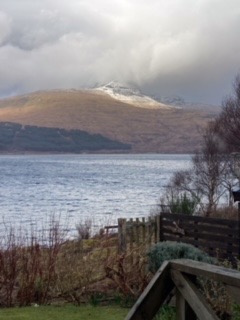
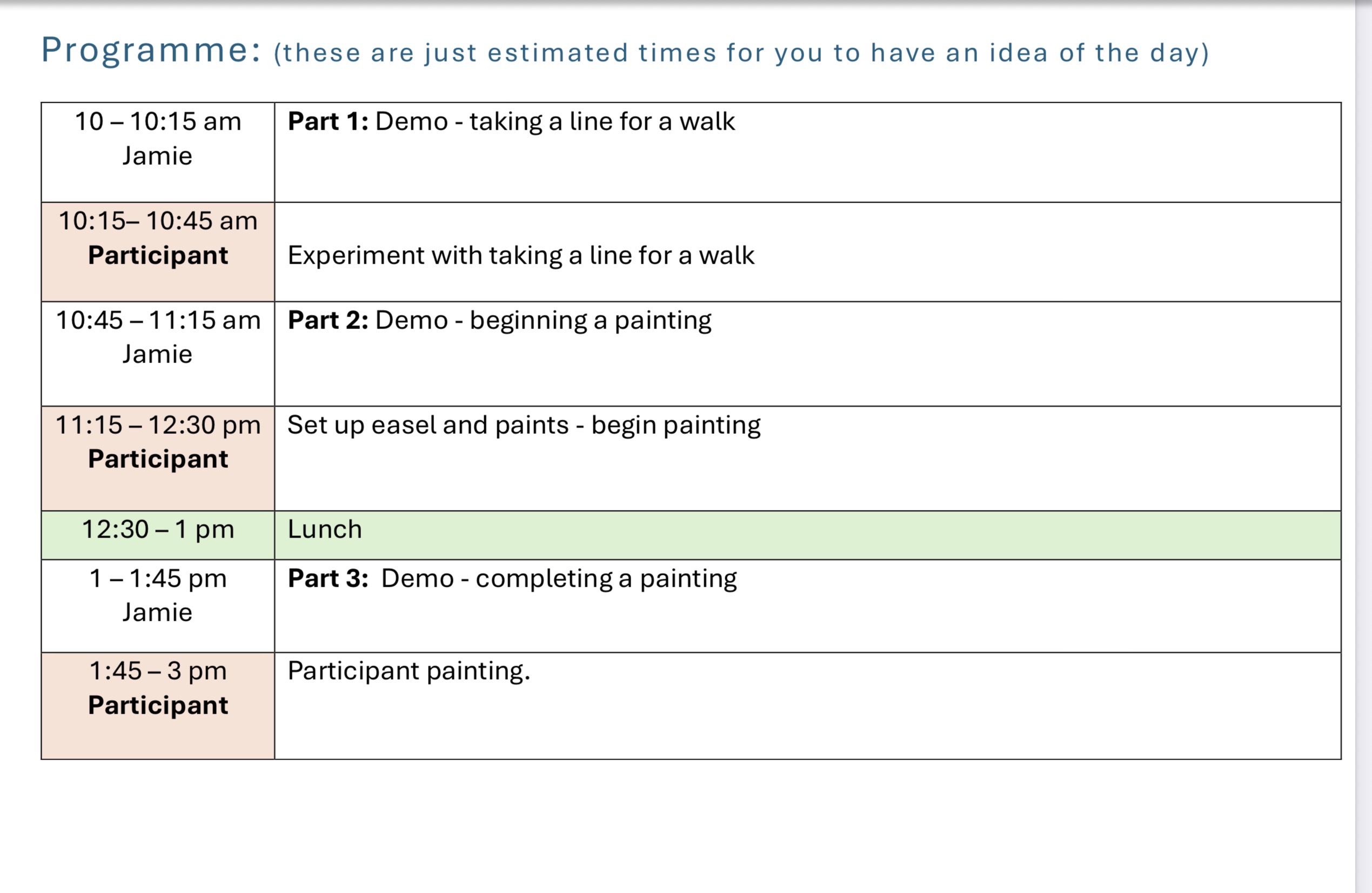
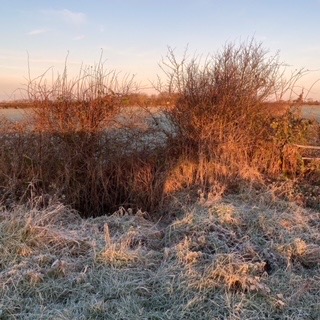
Here are the photographs and details of the workshop day and material list for Jamies workshop on 23rd. There are a couple of photos that you can work from or you can bring one of your own.
Sketching: We will start the day with a technique called ‘taking a line for a walk’ which will help us to both loosen up and get warmed up for our painting.
Sketchbook: Something big like a A4 or A5 sketchbook. Or some sheets of A4 paper.
Pen: Sakura Pigma Micron fibre tip pen. (Or another brand of fibre tip pen. The Sakura make are waterproof, (which is nice if using with watercolour) I like the 01 size.
Easel: Tabletop easel or just work directly on the table.
Range of brushes: for example, a 1-inch flat bristle, no.12 round synthetic a smaller round.
Colours: My main colours I will be using are:
Ultramarine blue
Cobalt blue
Cerulean blue
Alizarin crimson
Cadmium red
Cadmium yellow
Lemon Yellow
Burnt sienna
Yellow Ochre
Naples Yellow
Titanium white
You may find it useful to use these colours too for colour mixing.
Stay wet palette: I use a Tupperware box from Sainsburys that has quite low sides, I use 3 layers of kitchen towel and place these in the bottom of the Tupperware box. Then cover with water and drain it all off. Then I cut to size a piece of parchment paper and place over the top. This acts as a reservoir and keeps my paints workable for around 5 days. I mix my paints on a separate palette, or the lid of the Tupperware if space is limited.
A palette to mix paint on.
Painting surfaces. ie. Canvas board, primed hardboard, mountboard, canvas etc.
Water container. Kitchen towel or cotton rag to clean your brushes, palette etc
Plastic bag to carry any dirty kitchen towels or food waste.
A board to hold the painting surface with some drawing pins or bulldog clips.
Something that is good practice when painting is to take lots of photos as your painting develops. Sometimes I will see an earlier stage in a painting and think I should have stopped there. Which I think can help you work out when you are getting near to completing a painting